
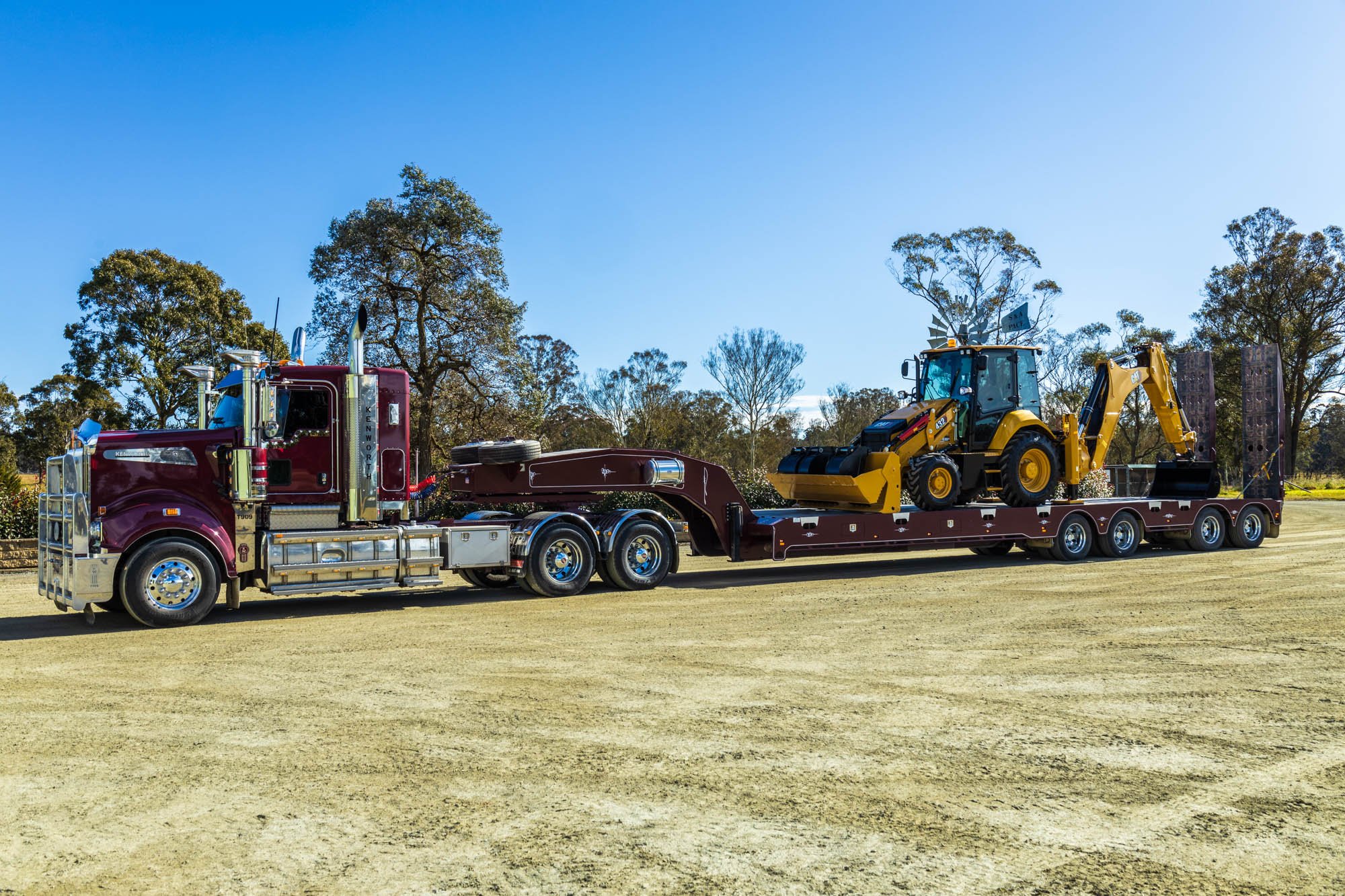
Quad Axle Low Loaders
Our Quad Axle Low Loaders
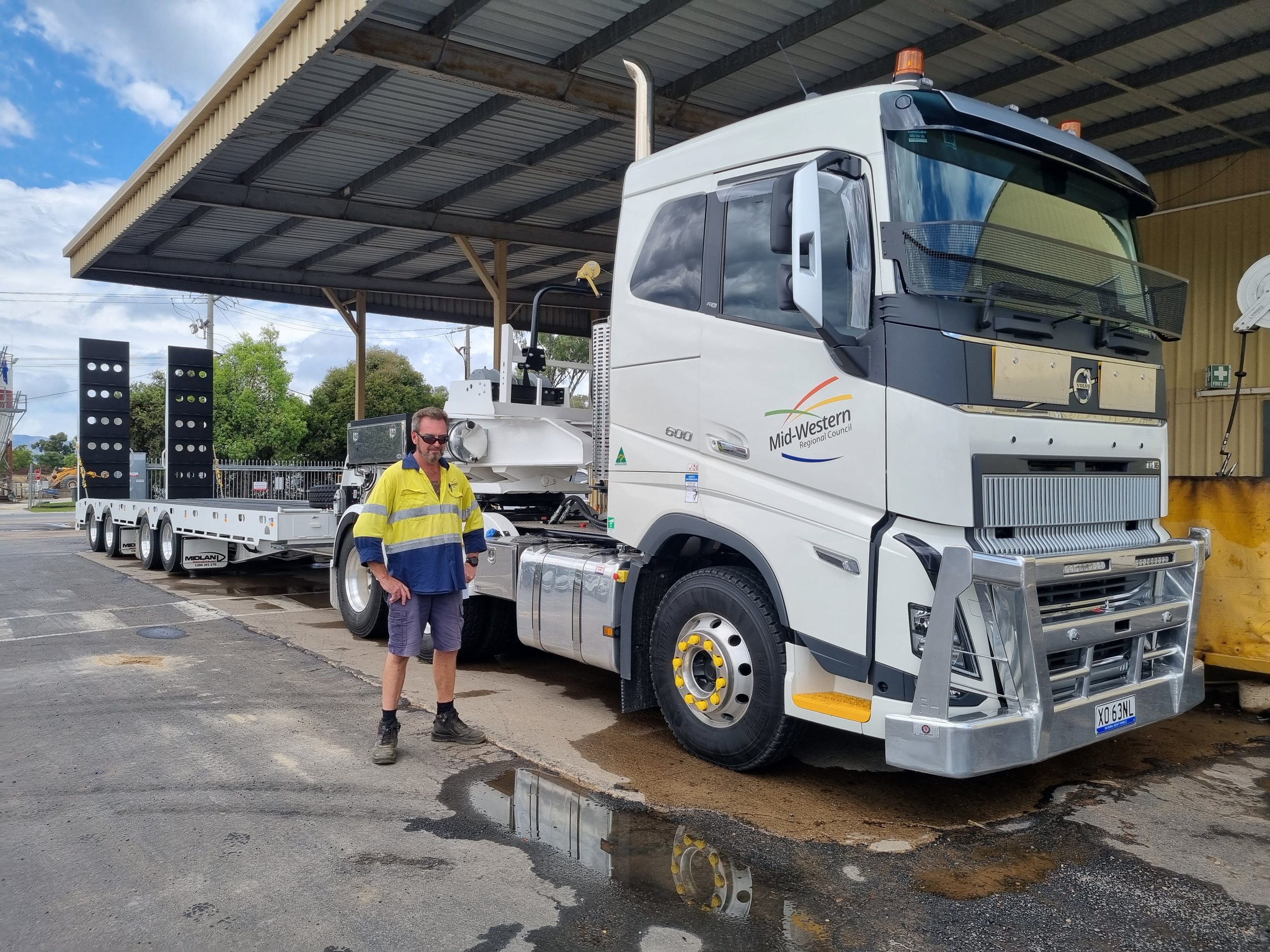
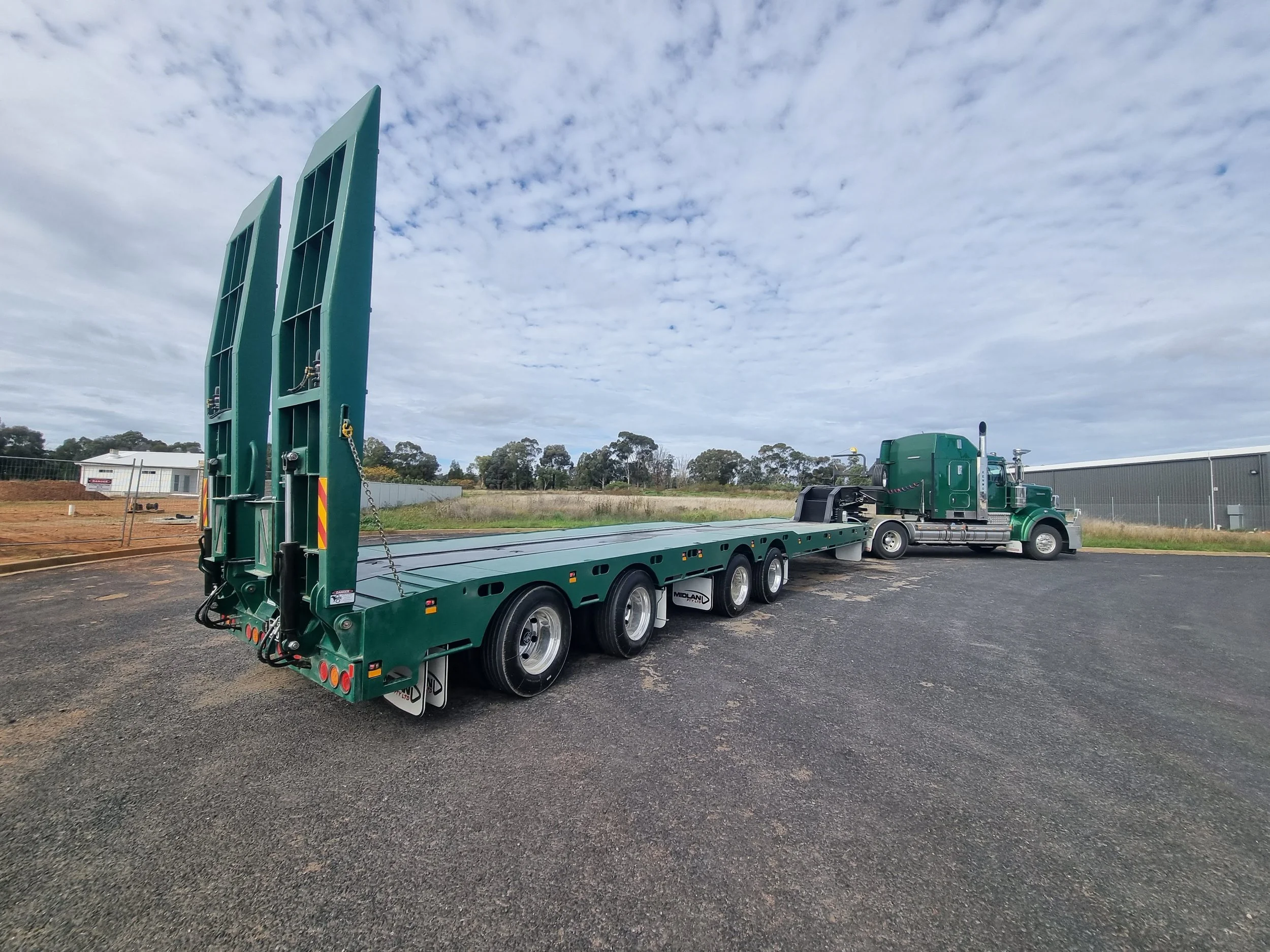
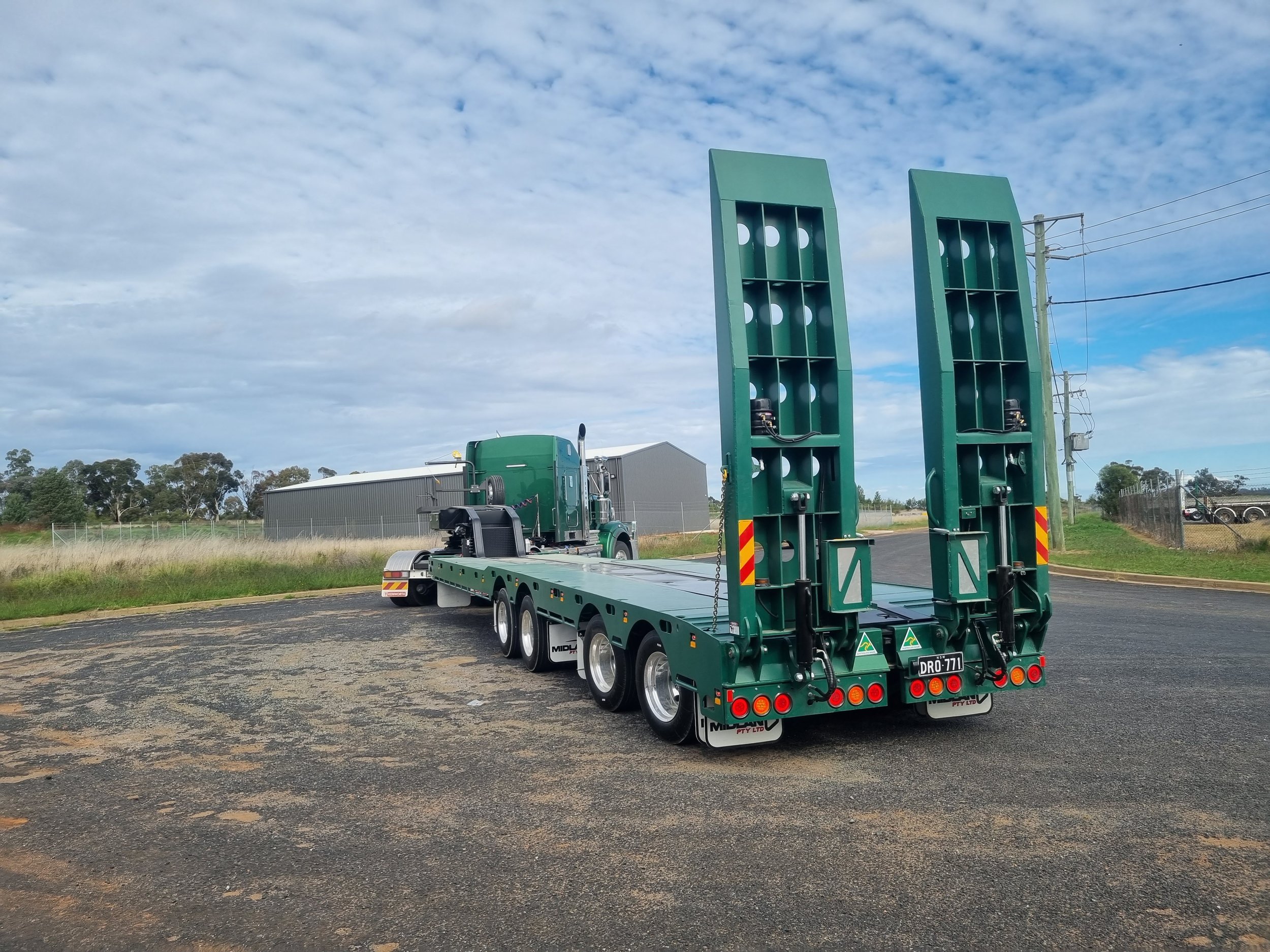
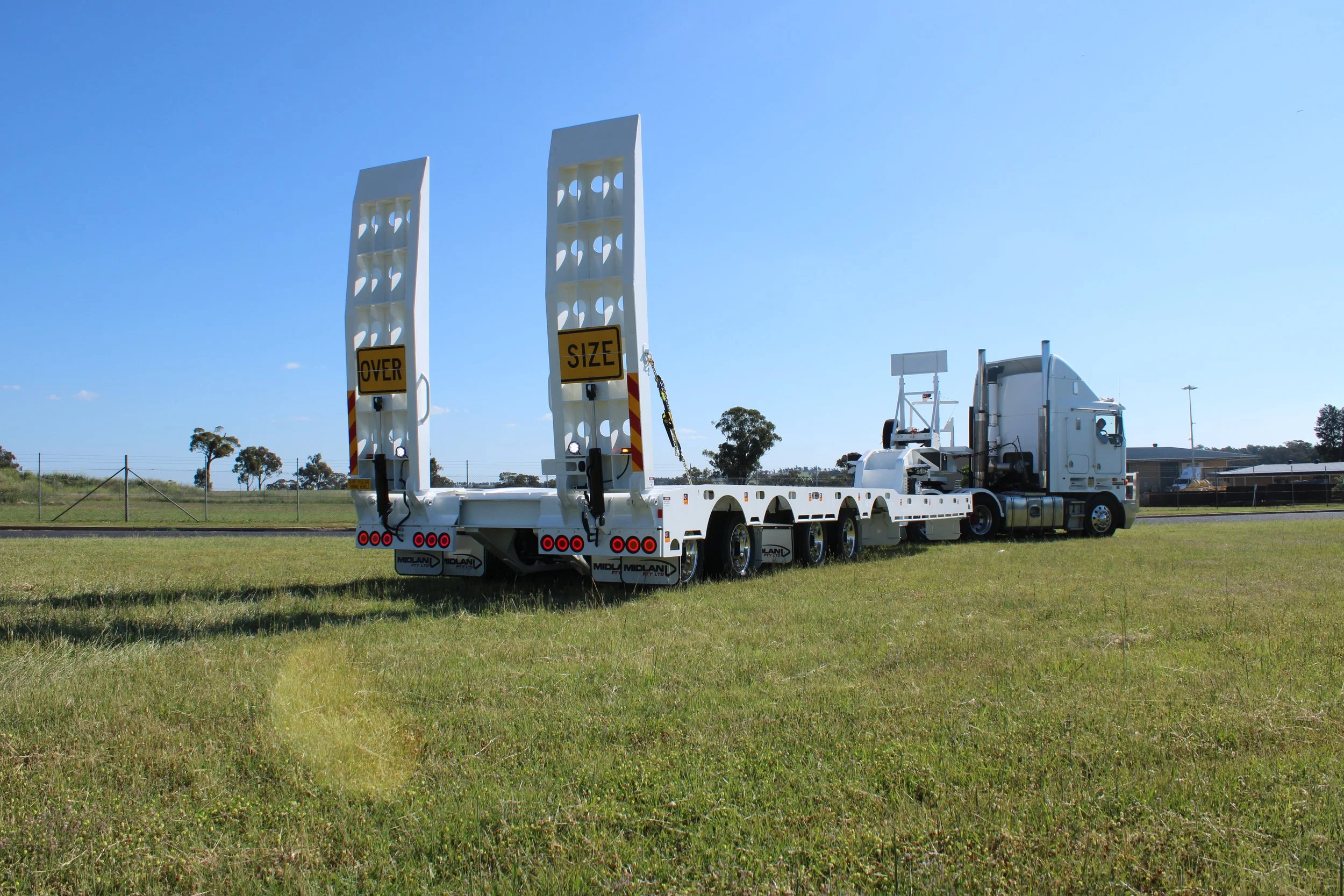
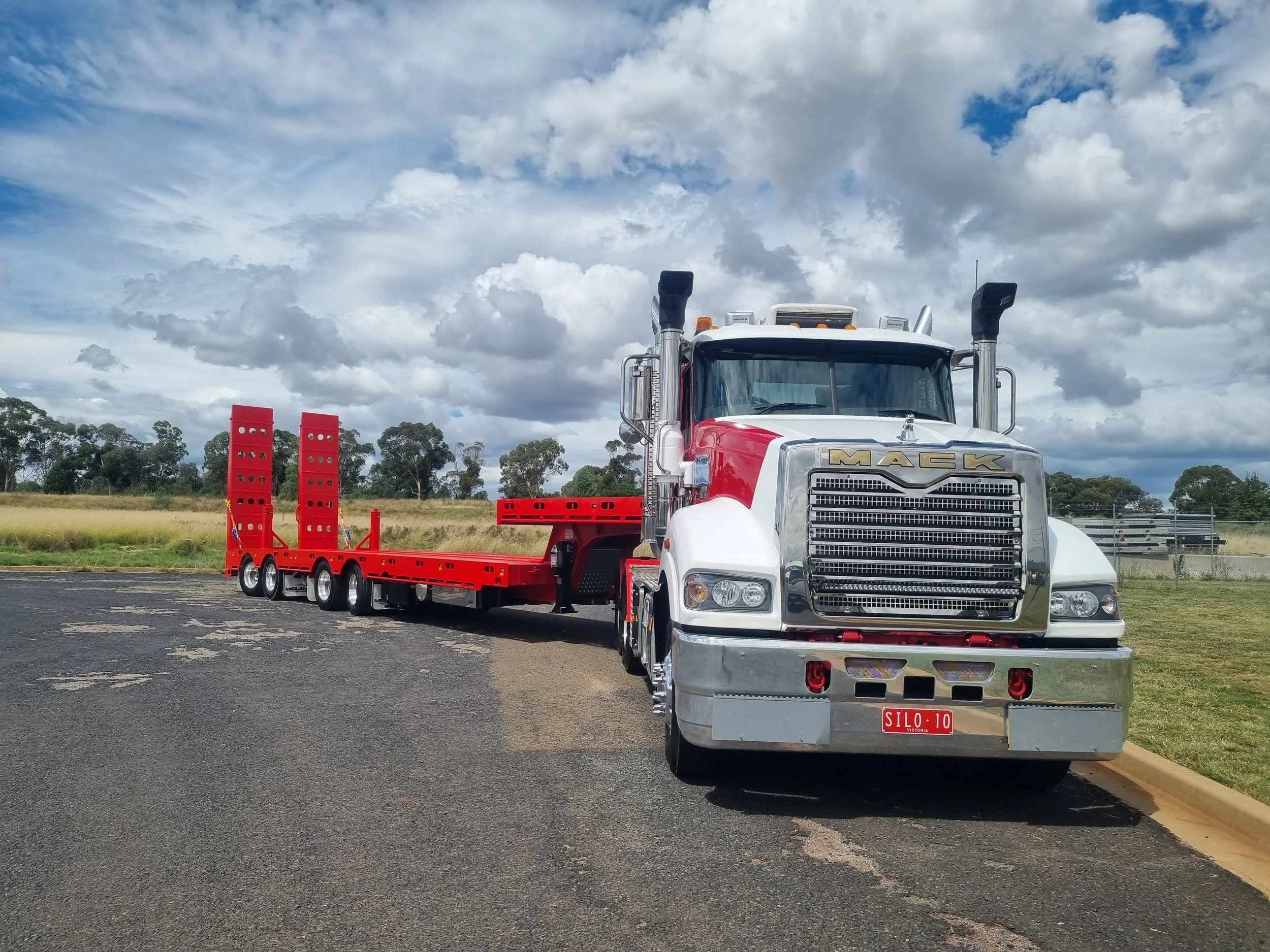
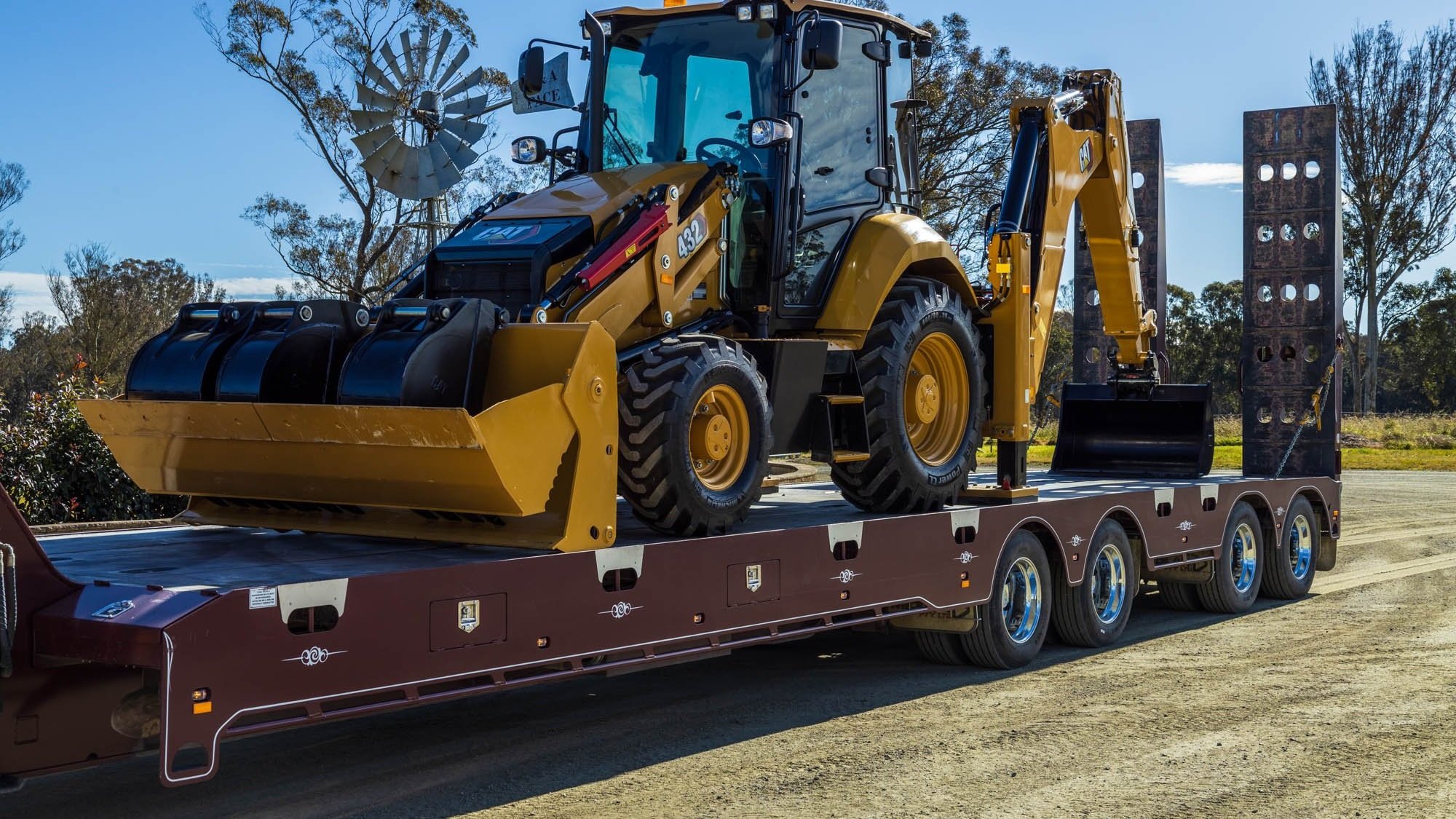
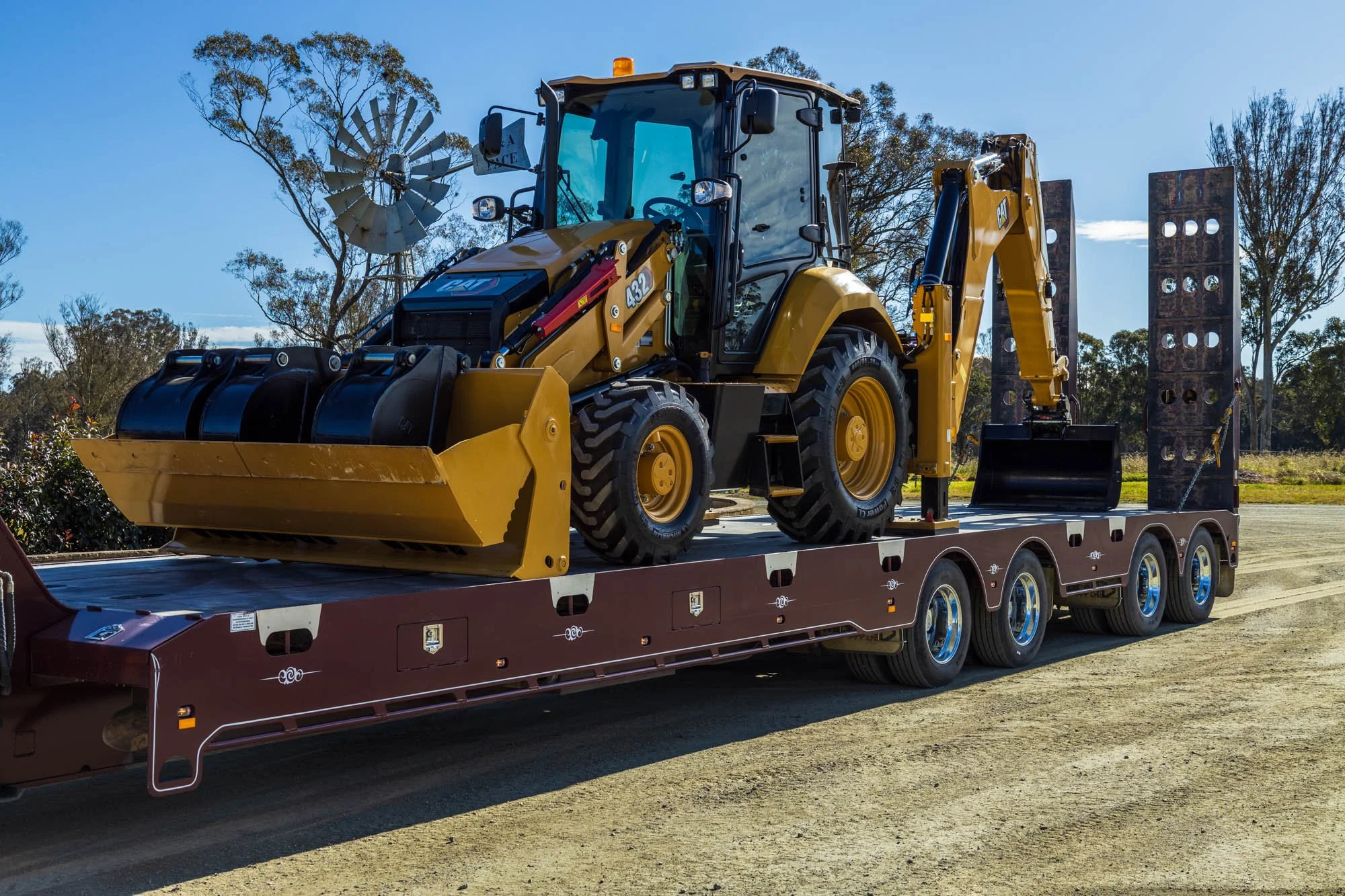
A quad axle low loader gives you a fourth axle in the rear group. More axles means the load spreads over more tyres, which lowers per axle loading and settles the trailer under heavy plant.
Midland builds them to order at Parkes in NSW and Kyneton in Victoria. You tell us the machine you need to move and the routes you run, and we engineer the trailer around that.
What the deck does
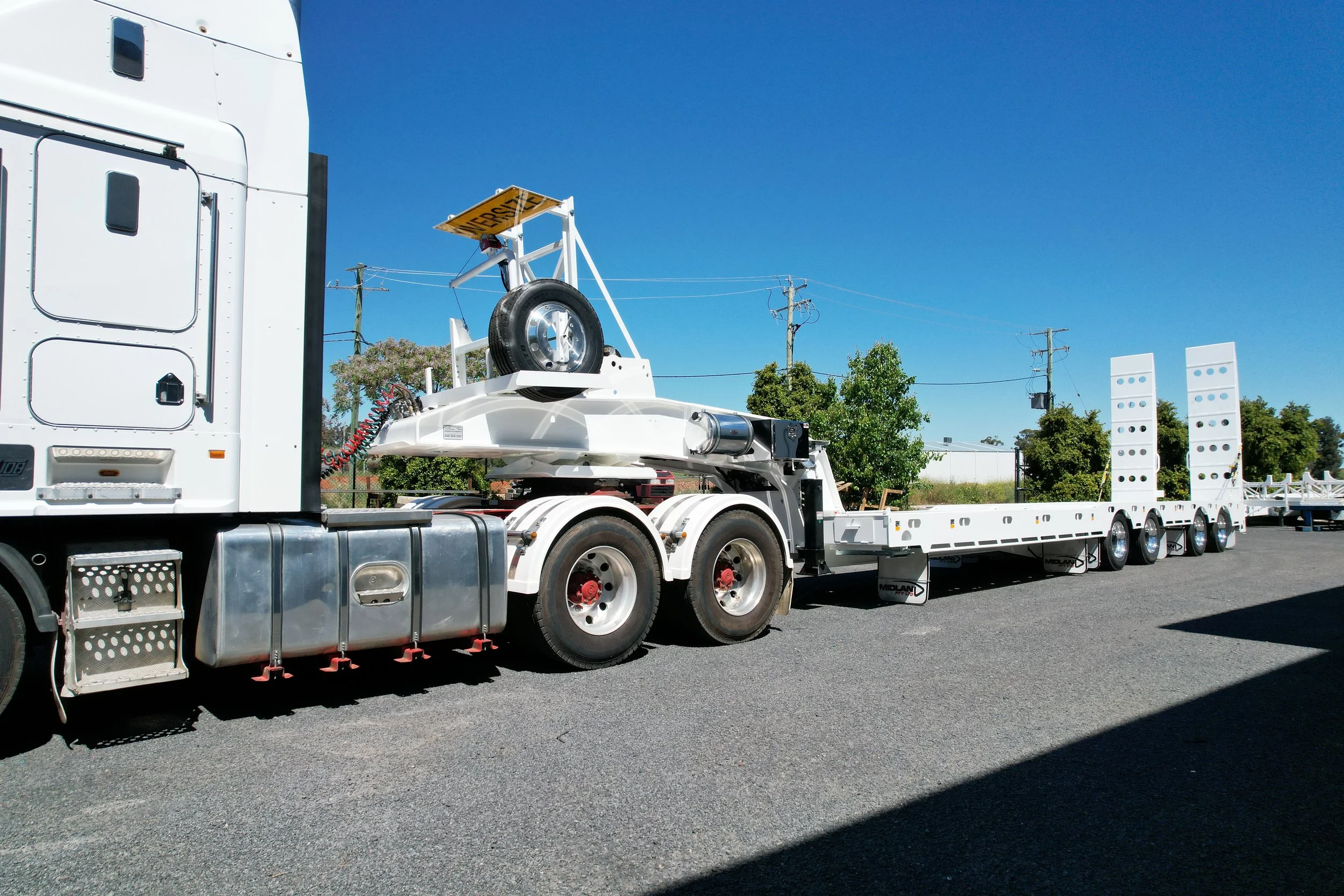
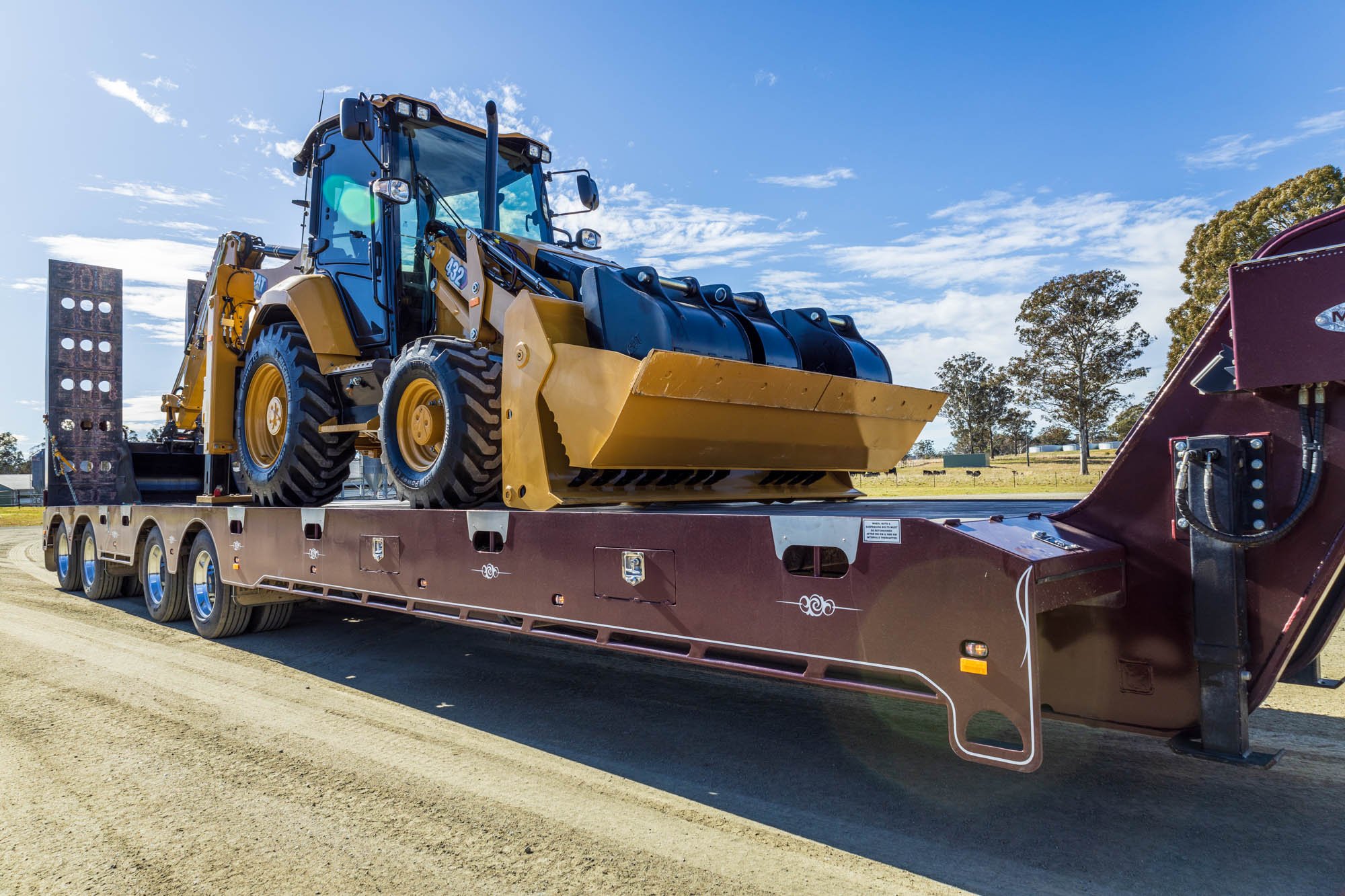
The deck widens from 2490mm to 4000mm. A dozer or excavator that would hang over the side of a fixed deck sits inside the trailer’s own width instead, which changes what you need in the way of permits and escorts.
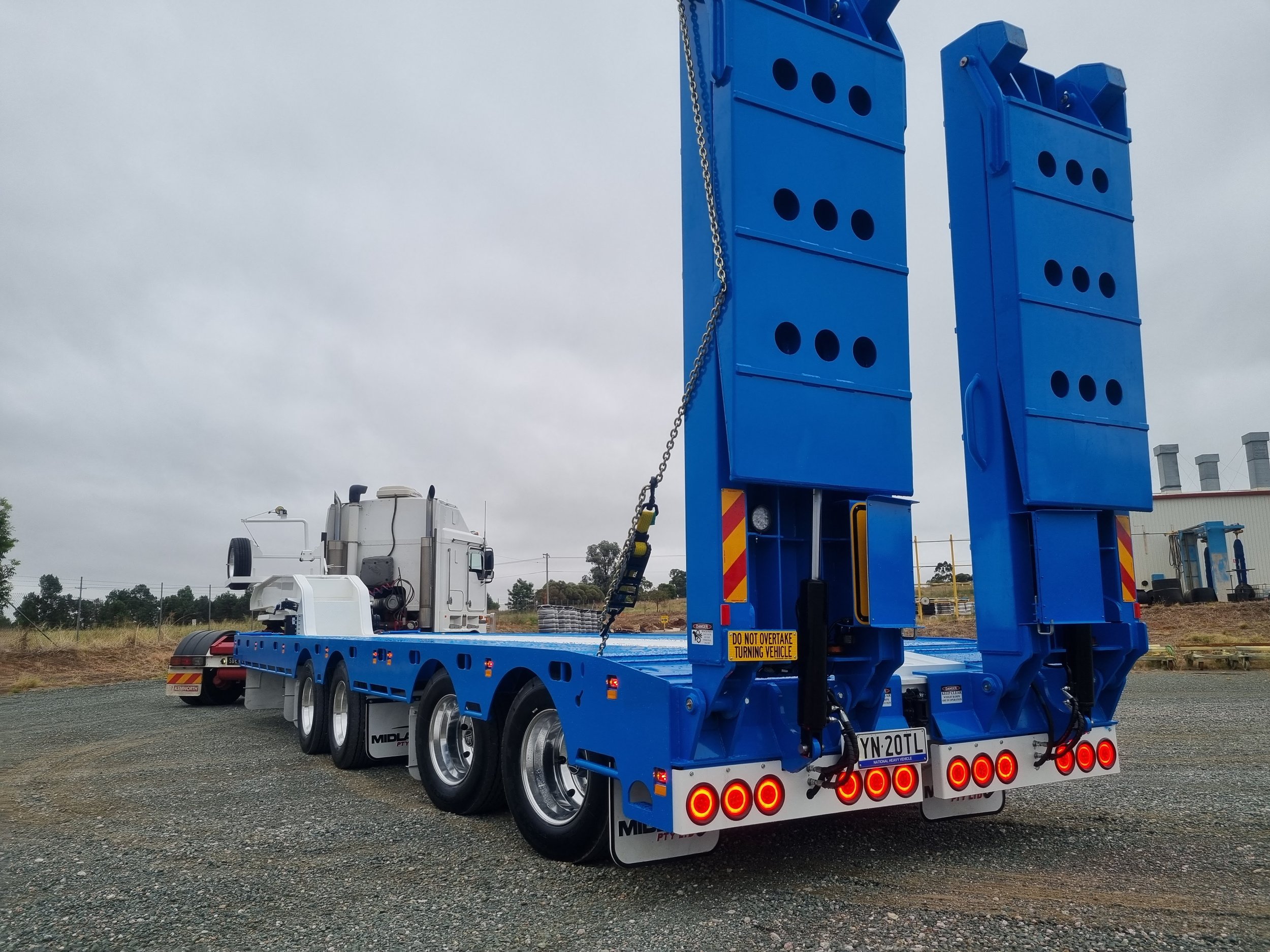
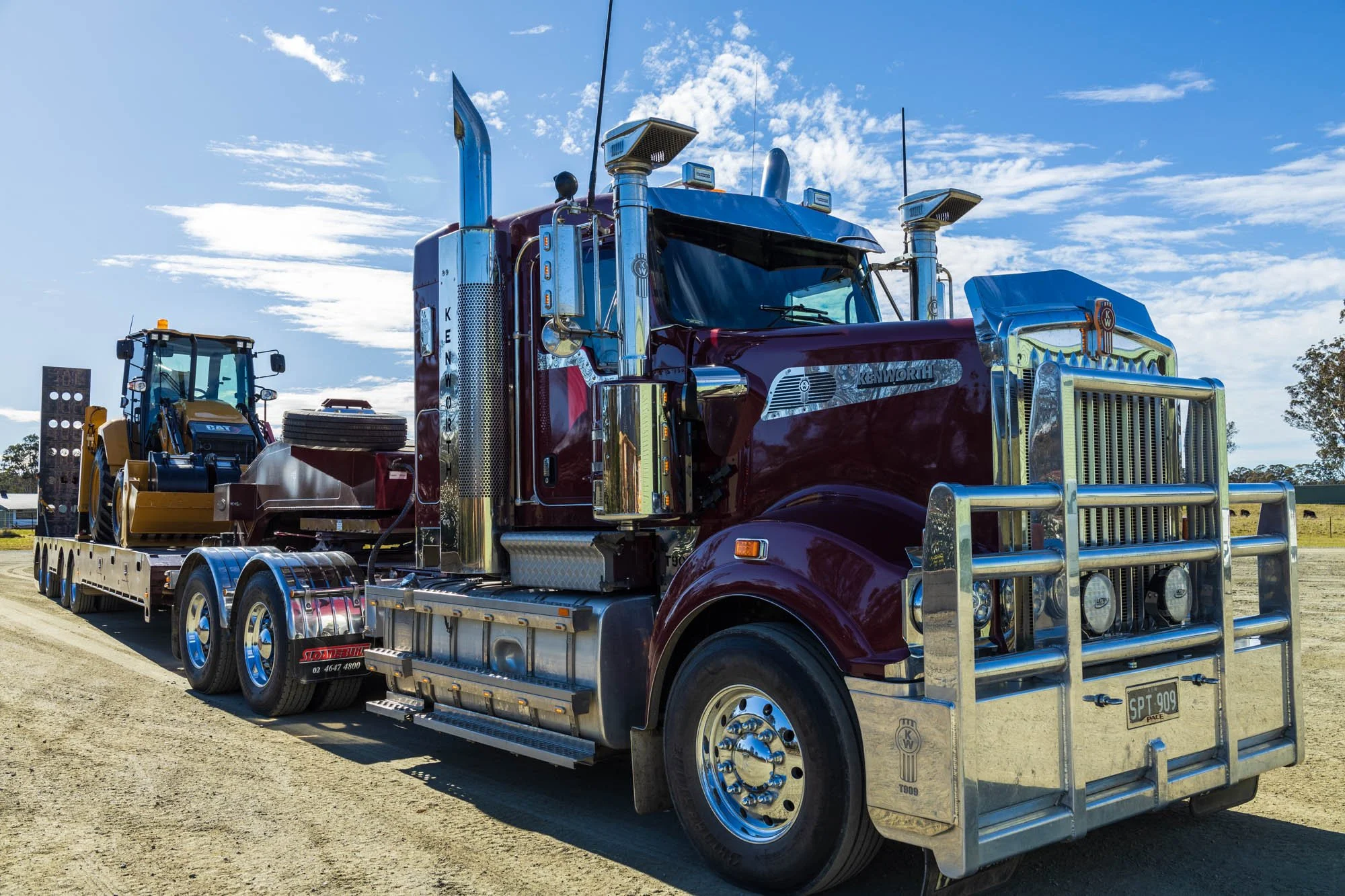
You choose goose neck or step deck, spring or airbag suspension, a fixed or bi-fold rear, and whether you want front ramps as well. As with all of our low loaders, it is built to the job rather than to a catalogue.
Who runs one
Earthmoving and civil contractors shifting dozers, excavators and graders between sites. Mining and quarry operators moving plant on and off haul roads. Farming operations moving harvesters and tractors between properties. Heavy haulage operators whose regular load has outgrown a tri axle.
Quad axle or tri axle
A tri axle low loader covers most civil and ag plant. Step up to a quad when you need to spread the load over more axles for weight restricted routes and bridges, or when you want mass above GML under PBS rather than a permit on every trip.
If only one machine in your fleet pushes past a tri axle’s limit, a tri axle with a dolly can be the cheaper answer. Worth a conversation before you commit either way.
Under NHVR General Mass Limits, a quad axle group with dual tyres, or single tyres 375mm and wider, is rated at 21.0 tonnes. Source: NHVR General Mass Limits information sheet, 11 August 2026.
Working out whether you need a quad axle group and PBS approval? Our low loader trailer guide explains the mass limits in plain terms.
Common questions
What is a quad axle low loader?
A low loader with four axles in the rear group instead of three. Under NHVR General Mass Limits a quad axle group with dual tyres, or single tyres 375mm and wider, is rated at 21.0 tonnes, the same as a tri axle group, so the gain is not extra GML mass. The fourth axle spreads that mass over more tyres, which lowers per axle loading and helps on weight restricted routes, and it gives you headroom to run heavier under PBS or a permit.
Quad axle or tri axle, which one do I need?
It comes down to the heaviest thing you move and how often. A tri axle low loader handles most civil and ag plant. Go quad when you need to spread the load over more axles for weight restricted routes and bridges, or when you want mass above GML under PBS rather than a permit on every trip. If most of your loads sit inside a tri axle’s limit and only one machine pushes past it, a tri axle plus a dolly may be the cheaper answer.
How wide does the deck go?
2490mm closed, widening to 4000mm. That covers most tracked plant that would otherwise overhang a fixed deck. Wider loads change your permit and escort requirements, so tell us the widest machine you carry and we will spec the deck around it.
Do I need PBS approval to run a quad axle low loader?
Not automatically. A quad axle group has a General Mass Limit under the NHVR, and many combinations run under GML or a state notice without PBS. PBS comes into it when you want mass or dimensions above what the standard notices allow. We build both, and we will tell you which path suits your route before you order.
What is the difference between deck widening and axle widening?
Deck widening opens the deck out while the wheel track stays where it is. Axle widening moves the wheels out with the deck. Midland’s quad axle low loader is a deck widener, adjustable from 2490mm to 4000mm.
Can you build it around a specific machine?
Yes. Send us the machine, its weight, its track width and the routes you run. We engineer the deck length, widening, ramp style, axle spacing and restraint points around that, rather than asking you to work around a standard trailer. Both factories, Parkes in NSW and Kyneton in Victoria, build to order.
Key Features:
Deck Widening: Adjustable from 2490mm to 4000mm.
Configuration: Goose Neck or Step Deck
Axle Options: Tandem rear steer and lift axles available
ATM (Aggregate Trailer Mass): Up to 55 Tonnes.
Payload: Up to 36 Tonnes
Suspension Options: Spring or Airbag.
Hitch Options: Choose from 50 or 90 Kingpin.
Floor Material: Standard 6-8mm Bissalloy/Hardox.
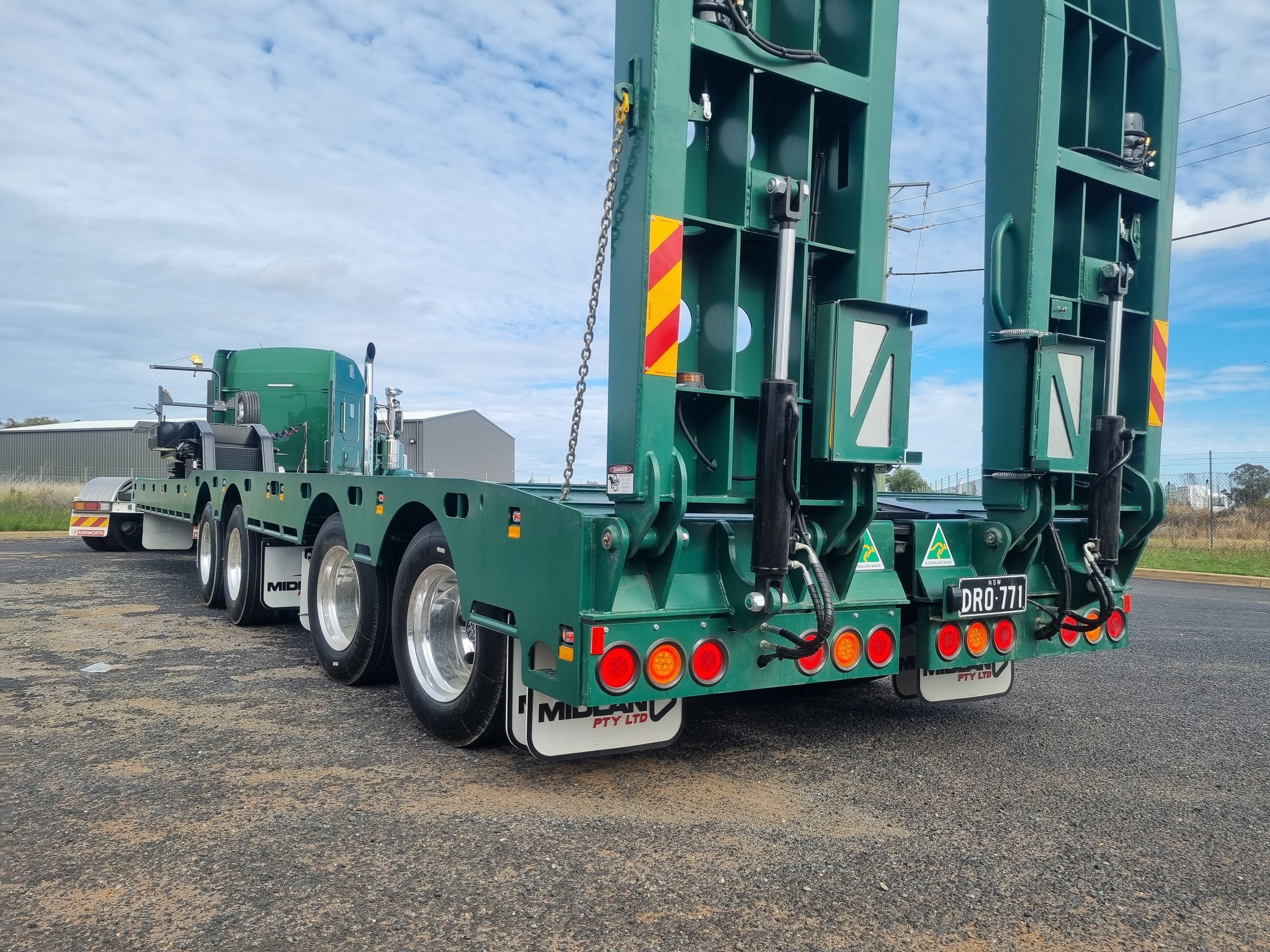
Rear Configuration: Fixed or Bi-Fold rear available, with optional front ramps.
Protective Finish: Fully sandblasted, poly zinc undercoated, and powder-coated for durability.
Lighting: All trailers come standard with state-of-the-art plug and play wiring harness and multivolt LED lights
Axle Sizes: 17.5”, 19.5” and 22.5”
Ramps: Single, bi-fold or heavy duty
Brakes: EBS and ABS in drum or disc brake axles
Road Train: Ring feeder fitted to the rear for road train combinations
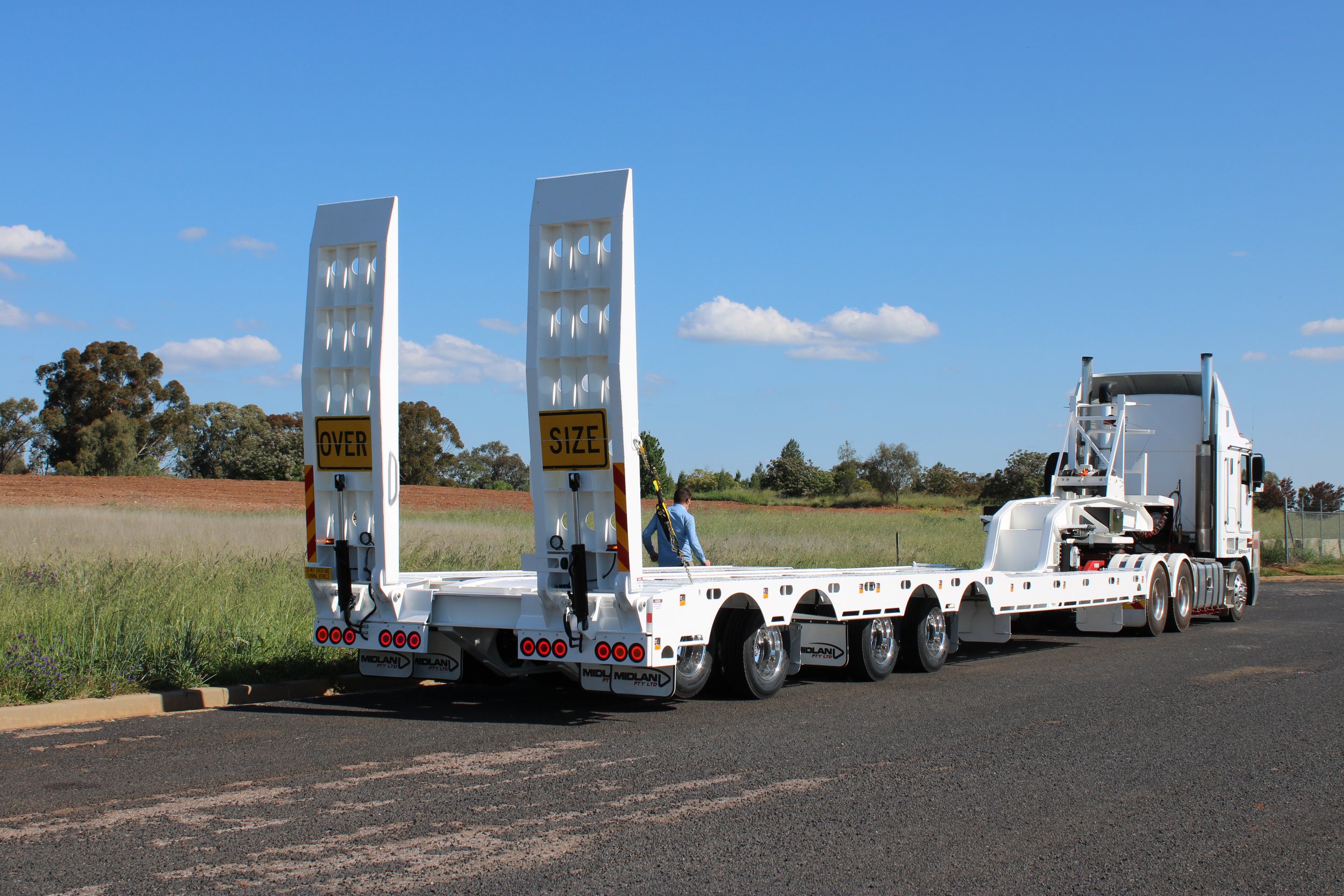
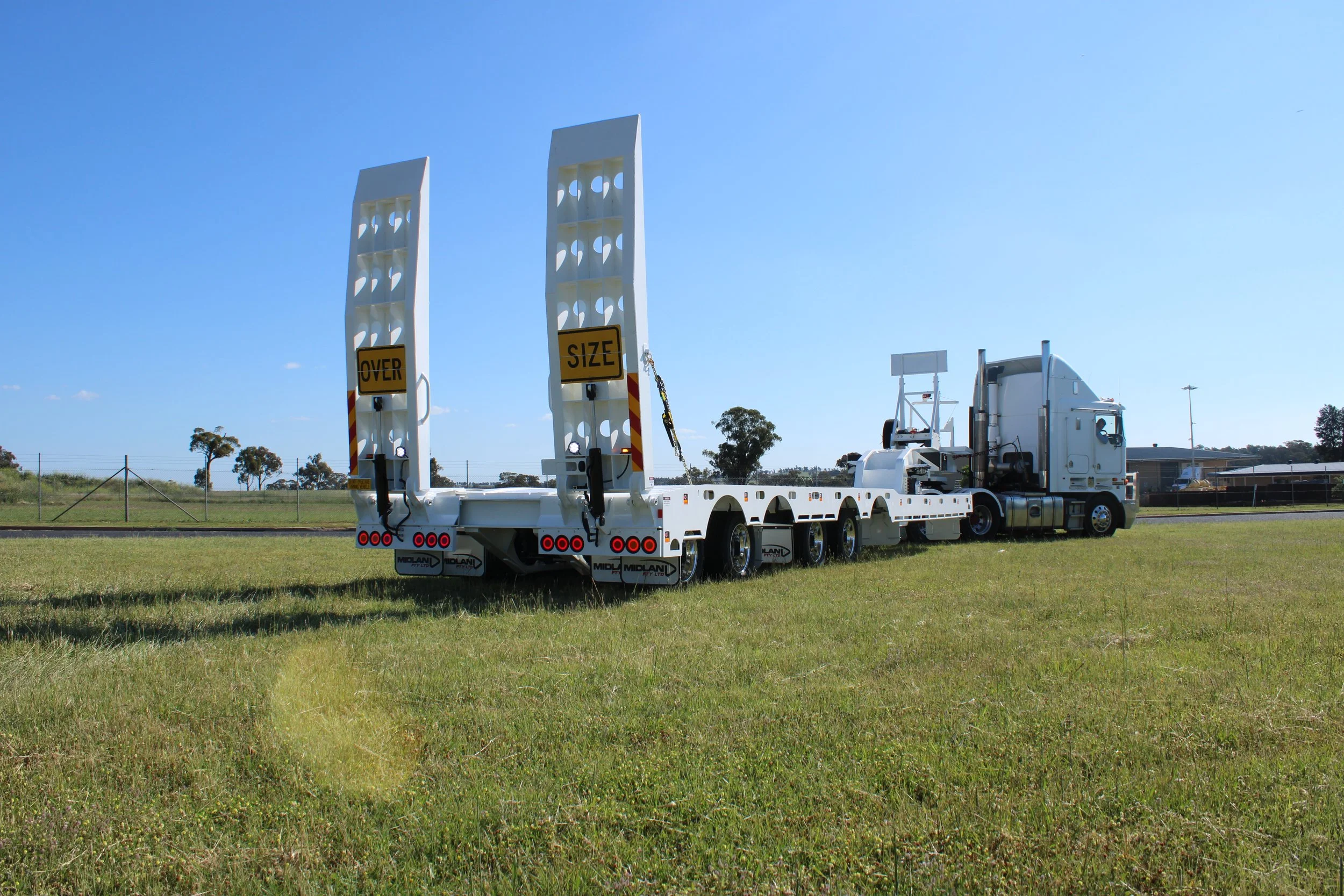
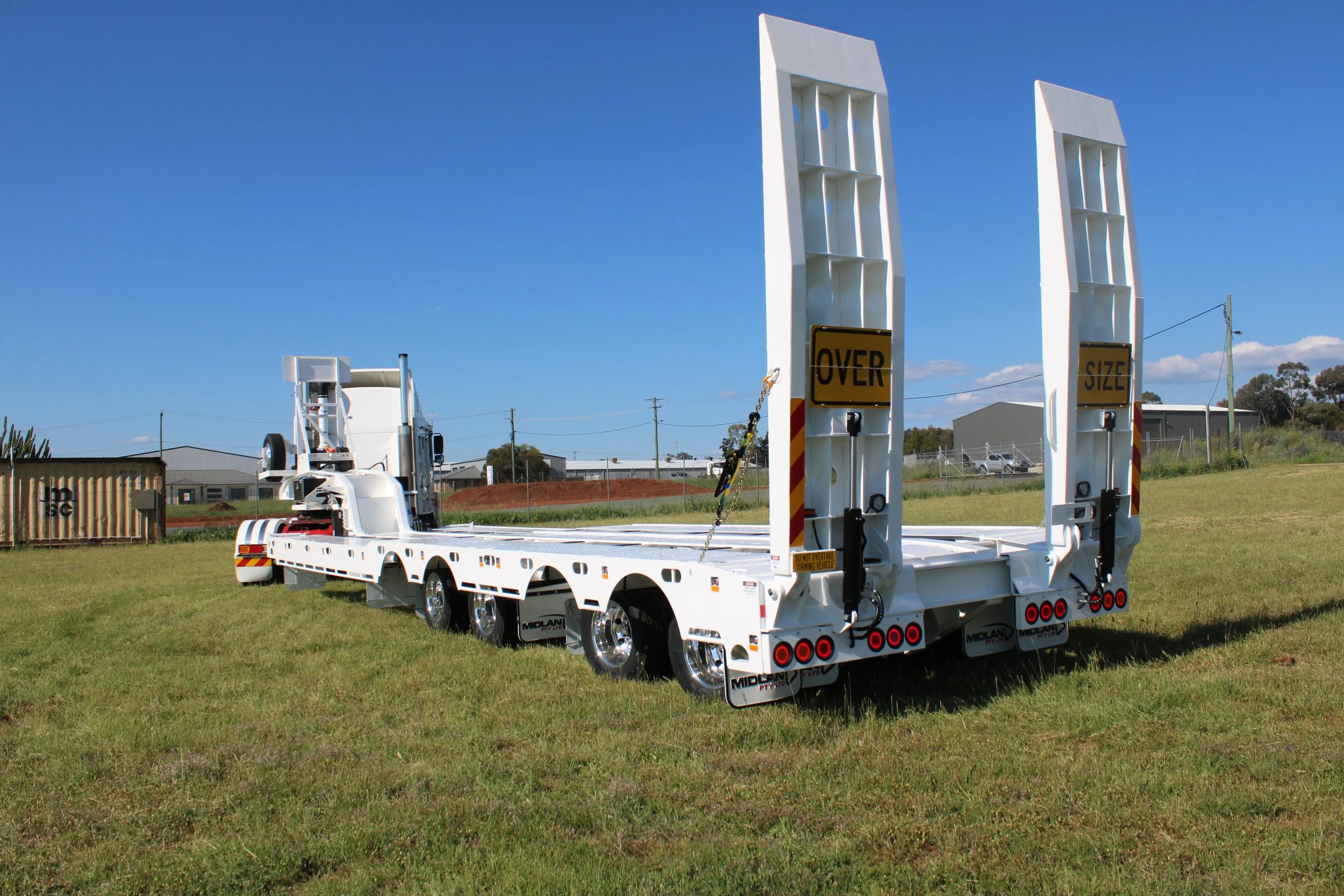


Available options and upgrades include;
17.5”, 19.5” and 22.5” Axles
Outriggers
Single, bi-fold or H.D (heavy duty) ramps available
EBS and ABS available in Drum or disc brake axles
Spring or airbag suspension
Single or double position skid plate
50mm or 90mm bolt or drop-in in king pin
Flip over front ramps or pull out steel ramps to top deck
Various electric and hydraulic winches
Ring feeder fitted to the rear for road train combinations
Container pins and pedestals
Various dog and chain storage
Toolboxes
Spare Tyre carrier
In deck chain points or in deck tie bars
Top decks