
Airbag vs Spring Suspension on Truck Trailers
What’s better for Aussie conditions?
This is one of the most common questions we get.
Airbag or spring suspension. Which one’s better?
Short answer.
Neither is “best” for everyone.
Long answer.
It depends on what you’re hauling, where you’re running, and how hard you’re working the trailer.
Let’s break it down properly, without the brochure talk.
Spring suspension. Old school, tough, and still very relevant
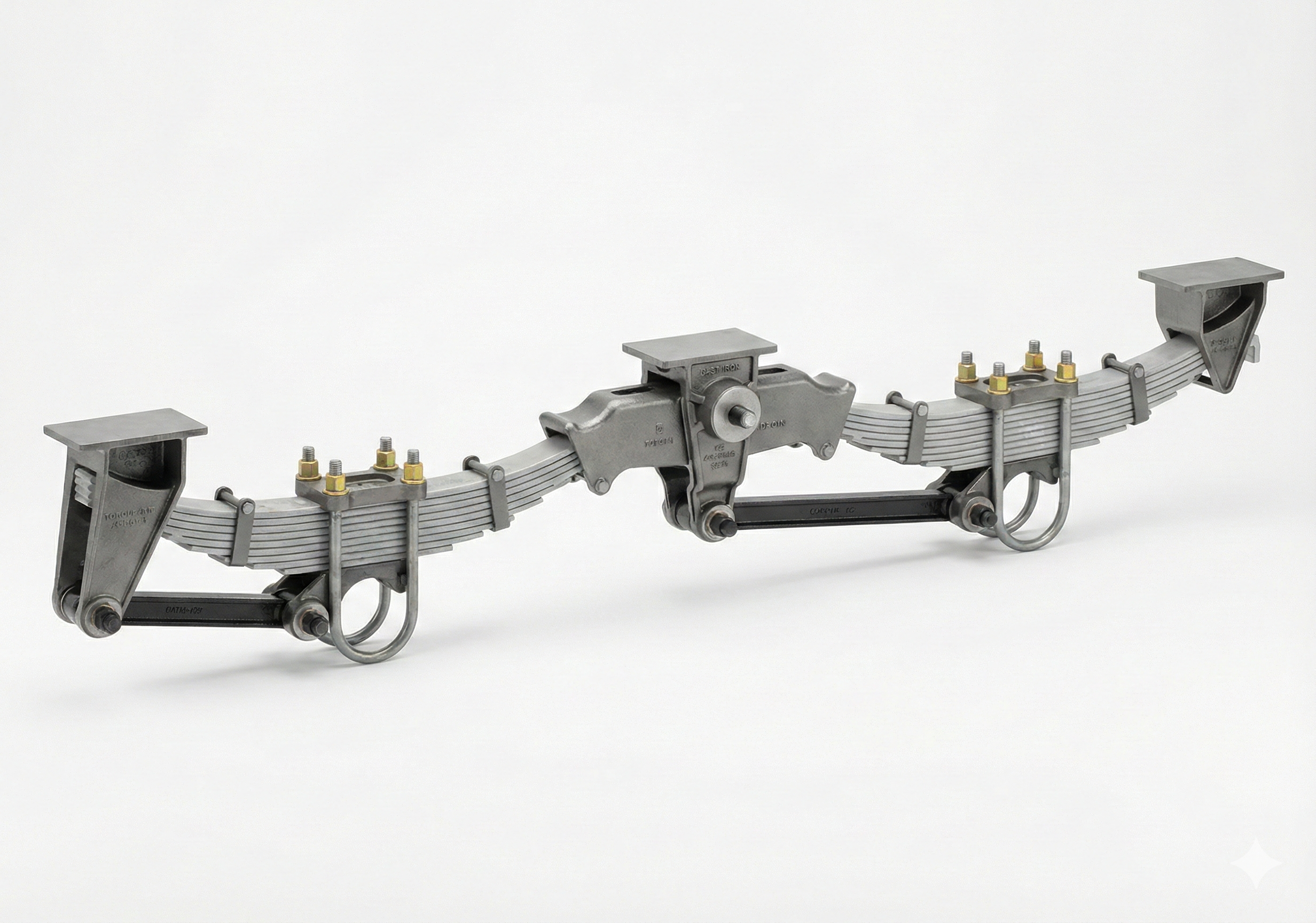
Spring suspension has been around forever, and there’s a reason it hasn’t disappeared.
It’s simple.
It’s strong.
And it handles punishment.
Where spring suspension shines
Spring setups are a favourite for:
• Rough sites
• Quarry work
• Tippers and dogs
• Regional and off-road work
• Operators who just want less to go wrong
Springs don’t care much about dust, mud, rocks or corrugations. They’re mechanical, predictable, and easy to live with.
If something does wear, most workshops can sort it quickly. Parts are everywhere. No electronics. No compressors. No chasing air leaks.
The trade-offs
Nothing’s perfect.
Spring suspension can be:
• Harsher on the trailer
• Rougher on the load
• Less forgiving on uneven ground
You’ll feel it more, especially when running empty. Over time, that extra vibration can transfer stress into the trailer if it’s not built properly.
That’s why build quality really matters with spring suspension.
Airbag suspension. Smoother ride, more control
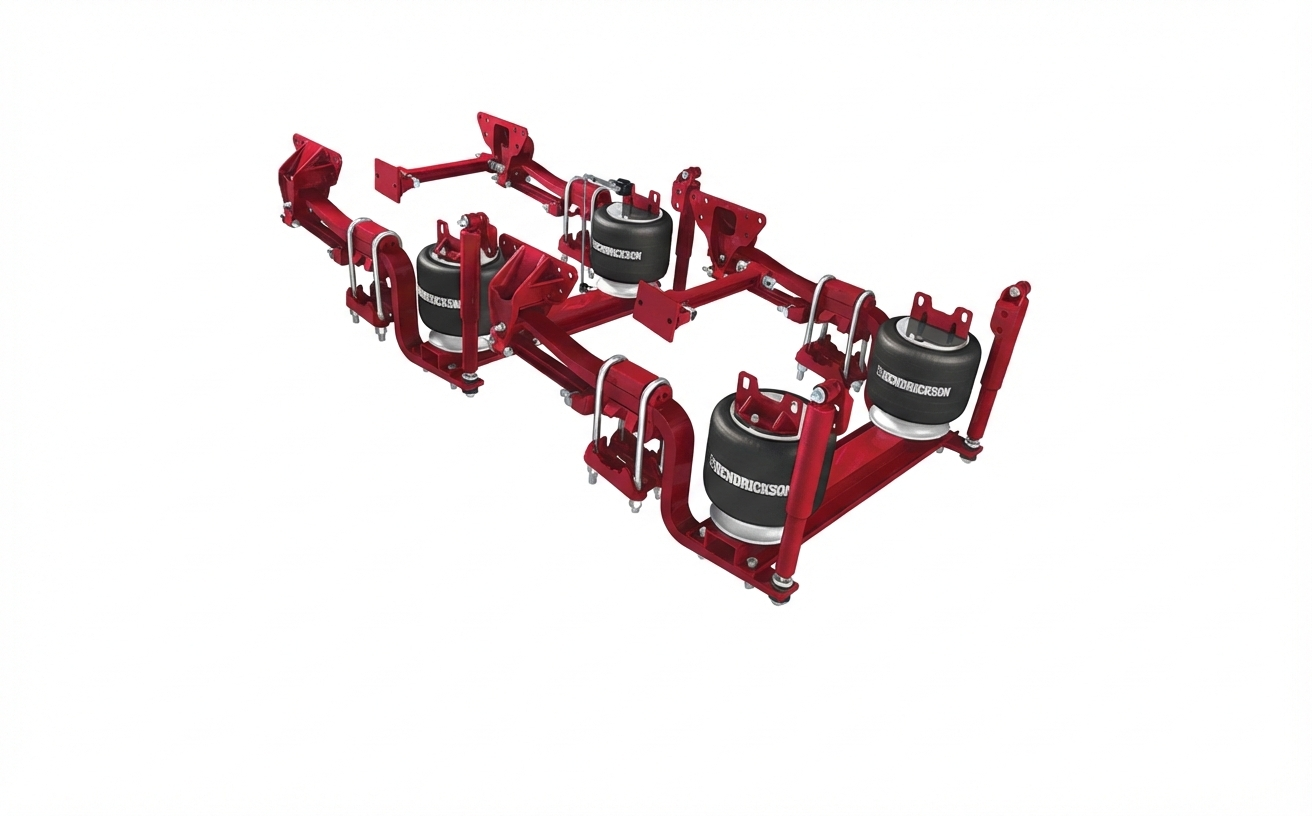
Airbag suspension has come a long way and it’s now the go-to choice for a lot of highway work.
It’s all about ride quality and control.
Where airbag suspension makes sense
Air suspension is ideal for:
• Highway and linehaul
• Fragile or high-value loads
• Container work
• PBS combinations
• Operators chasing ride comfort and stability
Airbags smooth things out. They reduce shock loads, help keep tyres on the road, and can improve braking and handling.
Load levelling is another big plus. Being able to adjust ride height makes coupling, loading docks and uneven surfaces much easier.
The trade-offs
Air suspension does come with more complexity.
That means:
• More components
• More maintenance
• More things that can fail if neglected
Air leaks, damaged bags or valve issues usually aren’t a big drama, but they can cause downtime if you ignore them.
And in really rough, off-road environments, airbags can take a hiding if the setup isn’t right. It’s also important to remember airbag suspension is load sharing, which is a requirement for Higher Mass Limits (HML).
So which one should you choose?
Here’s what we usually tell customers.
If your work is rough, dirty, off-road or site-based, spring suspension is hard to beat. It’s tough, predictable and forgiving when conditions aren’t.
If you’re doing long highway kilometres, carrying sensitive loads, or running PBS gear, air suspension usually pays off in ride quality, tyre life and driver comfort.
Neither choice is wrong.
The wrong choice is picking suspension without thinking about how the trailer will actually be used.
The part most people miss. The trailer matters more than the suspension
This is the honest bit.
A good suspension on a poorly built trailer is still a problem.
We see trailers with decent air systems bolted to light frames that fatigue early. We also see spring trailers that last forever because the chassis, crossmembers and suspension mounting points were properly engineered from day one.
Suspension doesn’t work in isolation. It works as part of the whole trailer.
That’s why we focus so much on:
• Proper engineering
• Strong suspension hangers
• Correct axle spacing
• Designs suited to Australian conditions
Get that right, and either suspension option can do its job properly.
Our advice? Talk it through before you lock it in
If you’re unsure, don’t guess.
Tell us what you’re hauling.
Tell us where you’re running.
Tell us how hard the trailer will work.
We’ll give you a straight answer based on real-world use, not what looks good on a spec sheet.
Because at the end of the day, the best suspension is the one that keeps you moving, not sitting in the workshop.
If you want to talk options or compare setups, just reach out. We’re always happy to run through it.